

What Does It Mean to Specialize in “Garden & Productive Properties”?
Imagine waking early. It’s summertime in the Lowcountry. You pour a cup of your favorite warming beverage and step outside, barefoot, into the soft grass. The coastal air is already alive… salt and green, faintly floral, carried on a breeze that moves gently through the garden. The sun warms your face as it rises, light catching on leaves still holding the last of the morning dew.
Perhaps you snip a few herbs for your morning omelet, letting their rich scents fill your nose as you gather. Perhaps you cut fresh flowers for the breakfast table, or pop a few tomatoes, still warm, from the vine. Or maybe you simply stand there, hands wrapped around your mug, taking in the quiet beauty of thriving native beds, fruiting trees, and living soil doing what it was meant to do. This is not just a house; this is a home that supports life.
When we talk about garden and productive properties, this is the vision we seek for those who desire it… not just what a property looks like, but how it lives, and how it allows you to live within it.
How Are Such Properties Defined?
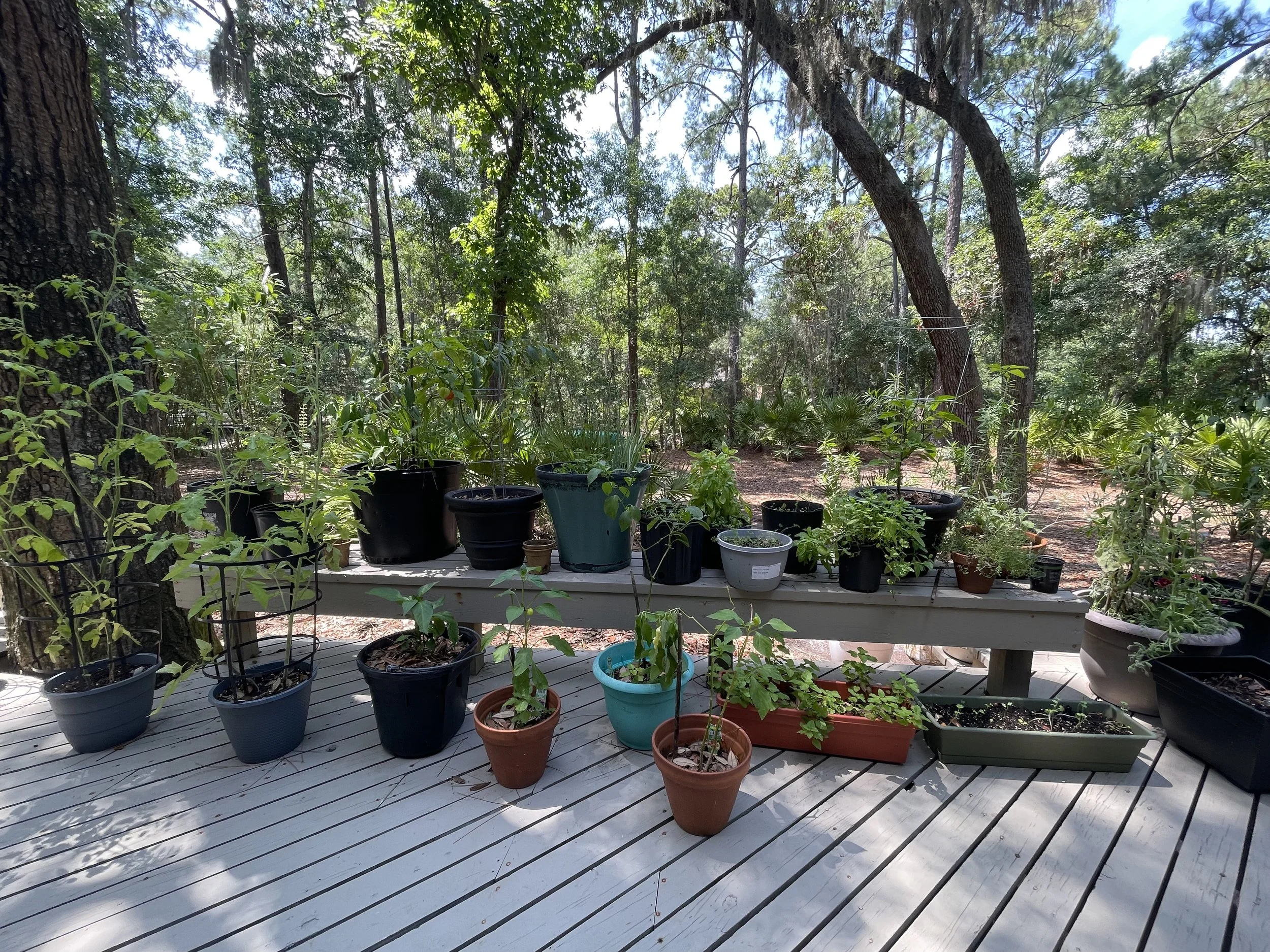
A garden-forward or productive property exists on a spectrum. For some buyers, it’s about sanctuary and beauty… flowering trees, privacy plantings, native beds that attract pollinators and awaken the senses. For others, it’s about function: raised beds, compost systems, fruit trees, medicinal herbs, and the ability to produce meaningful food at home. Many people land somewhere in between, starting small and allowing their relationship with the land where they live to deepen over time.
This is where we come in. Knowing what questions to ask, what elements to look for, and ensuring that the home you choose supports the vision you hold, no matter how large or small the scale.
What Do We Look For?
There are a handful of foundational factors that determine what’s possible on a piece of land, even if they aren’t immediately visible. This is why it’s so important to have access to someone who speaks the language when seeking such property.
Soil quality and composition are critical, particularly in our coastal Lowcountry environment. Some soils are sandy and fast-draining, while others are compacted or influenced by fill from development. Understanding what you’re working with affects everything from plant selection to long-term soil health and whether raised beds or in-ground growing make the most sense.
Water access matters just as much. Reliable irrigation, whether through municipal water, wells, or rainwater harvesting potential, can determine how sustainable a garden will be through hot summers and dry spells.
Sun exposure is another key piece of this puzzle. The arc of the sun across the day and throughout the year, morning versus afternoon light, and shade from mature trees or neighboring structures all shape what will thrive. A yard that looks bright at noontime in June may behave very differently across seasons.
Air quality and surrounding land use also deserve consideration. Proximity to roadways, golf courses, or other managed landscapes can influence both plant health and personal well-being in subtle but meaningful ways.
And then there’s the wildlife. In many Lowcountry communities, deer pressure is constant. Without protection, certain plants simply won’t survive. This is where fencing rules, design strategies, and community guidelines become essential to understand early in the process, if the ability to have a garden is important to you. It also helps to know the few pockets where deer aren’t around… they’re rare, but they do exist.
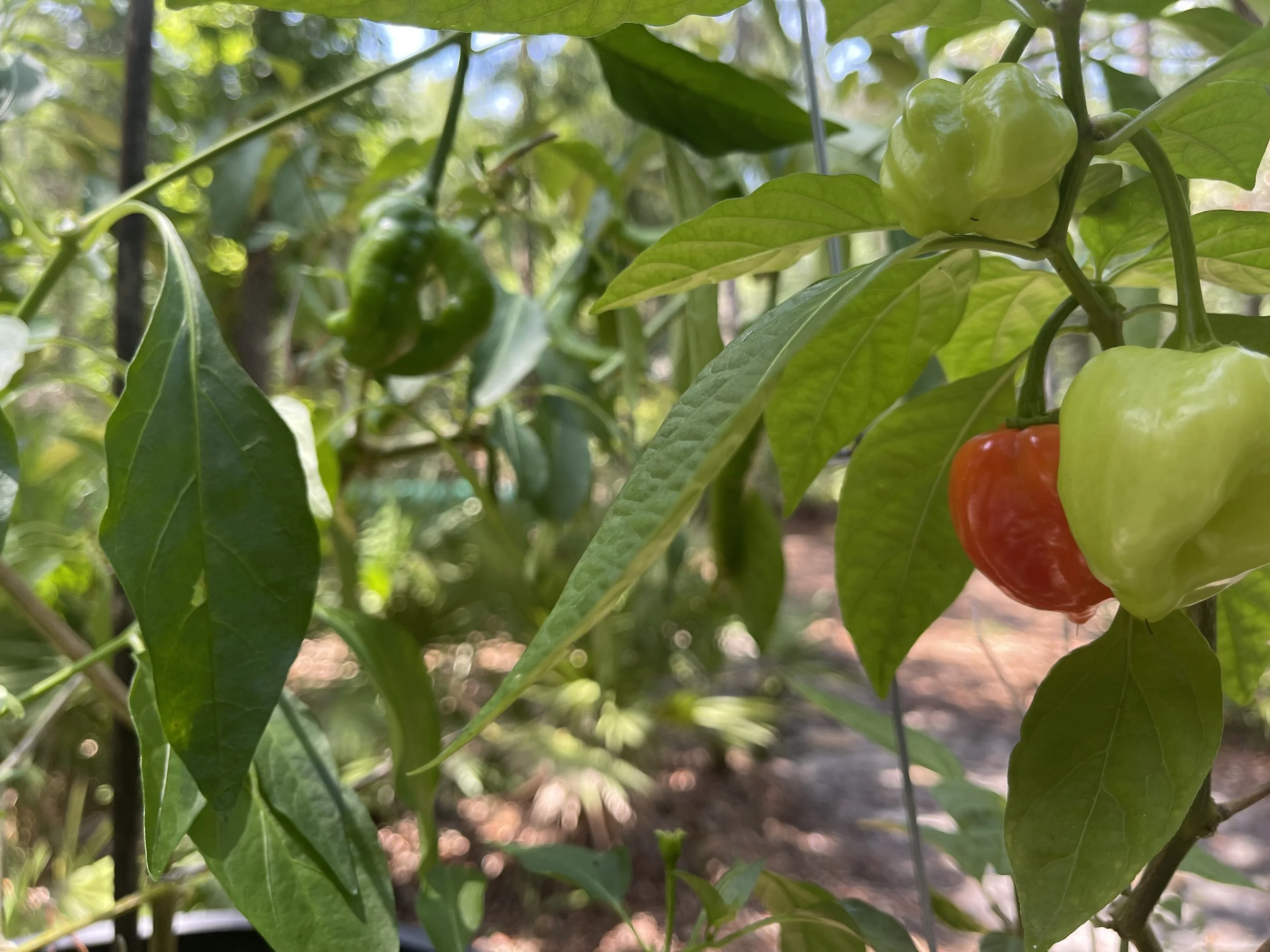
Community regulations, too, play a far larger role in garden potential than most buyers expect. Some neighborhoods are welcoming of visible gardens, fencing, and creative outdoor use. Others place strict limitations on fencing height, materials, or placement – and some don’t allow them at all – which directly affects what can be grown successfully in the ground.
In all of these questions, the ultimate goal is alignment between land and vision, creating an environment in which the lives of many – not just its human inhabitants – are supported.
Alternative Options
Several of our Lowcountry communities (like Sea Pines and Hilton Head Plantation) offer community gardens that provide an alternative path. For many buyers, these spaces allow meaningful food production and the ability to get in the soil without altering the home landscape itself. Knowing which neighborhoods support these options can also meaningfully shape a purchasing decision.
Who Are Garden Properties For?
This focus is not about one specific aesthetic or level of experience. It spans everything from supporting thoughtfully designed ornamental landscapes to herb gardens, edible beds, and fully realized home mini-farms. It reflects a growing desire for beauty, health, self-sufficiency, and a deeper relationship with the land that surrounds a home.
Not everyone arrives knowing exactly what they want to grow or how they’ll use their outdoor space. Often, the aspiration comes first, and the knowledge follows. Our role is to help identify properties that can support that evolution rather than limit it.
One of the most important things we share with clients is that you don’t need to be an experienced gardener to choose a garden-ready property. You simply need the right space that gives you the ability and room to grow into your curiosity.
That might mean space for future raised beds, areas that could support fruit trees down the line, or a yard with enough sun and soil potential to invite experimentation. A truly productive property supports change. Today’s herb garden may become tomorrow’s orchard. Today’s lawn may slowly transition into native plantings or a food forest.
Why Did We Define This Niche?
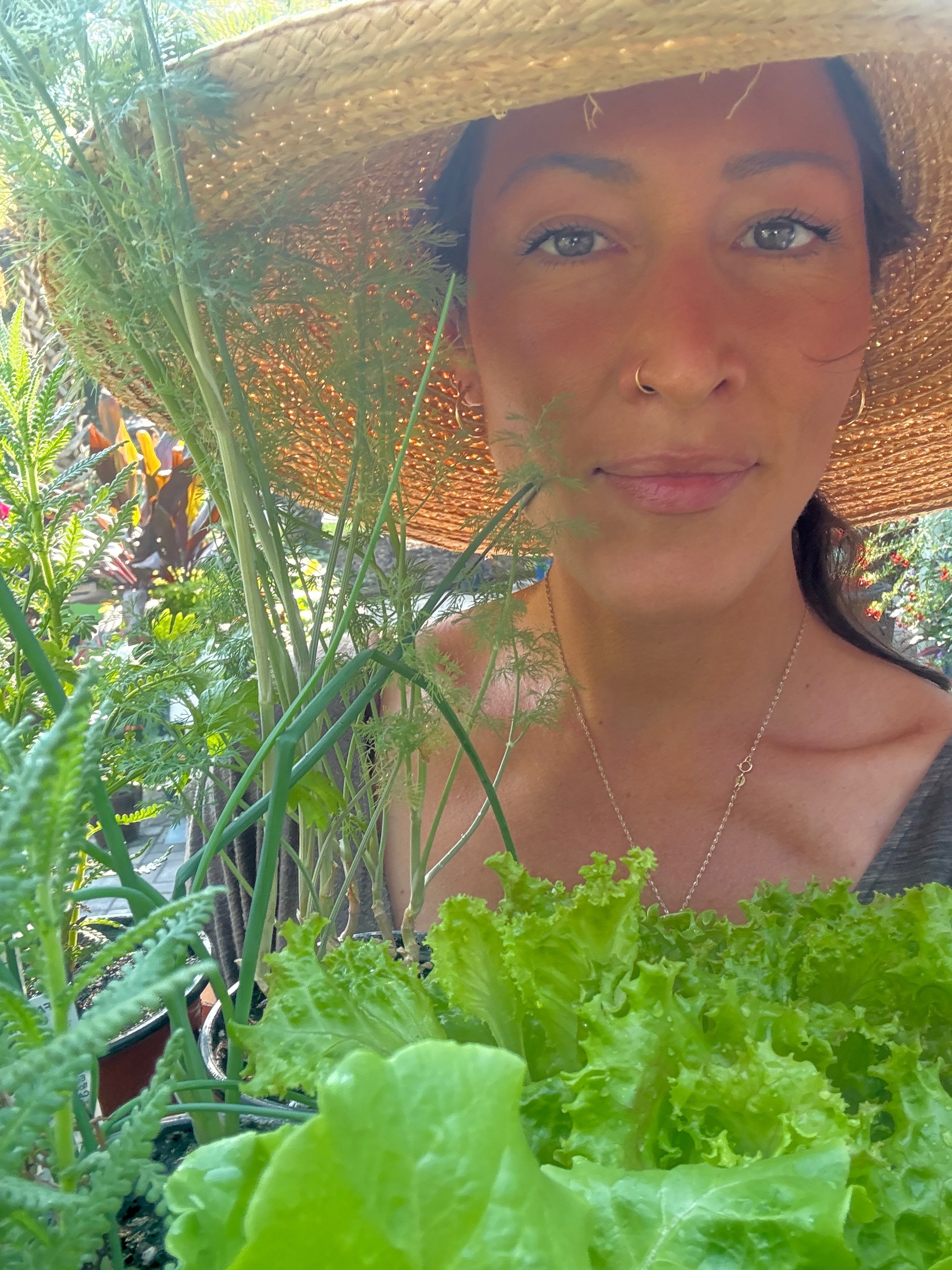
Our team includes lifelong nature-lovers, self-sustainability enthusiasts, gardeners… Daniella loves gardening so much that she is also a Master Gardener. We see the outdoor environment as an extension of the home itself. The land is not secondary; it’s functional, valuable, and deeply tied to long-term livability and enjoyment, especially for those drawn to growing food, working with native plants, or simply living closer to natural rhythms.
It is partnership and stewardship, and for someone who seeks such an environment, selecting the right property that supports and aligns with this vision is critical.
From a real estate perspective, homes that support productive outdoor living also tend to age well. They adapt. They encourage stewardship rather than constant replacement. And increasingly, they resonate with buyers who value health, sustainability, and a grounded sense of place.
This focus isn’t driven by trends. It’s rooted in values, in our own passions, and in helping people choose homes that actively support the lives they want to live.
Whether your vision includes flowers, herbs, vegetables, fruit trees, or simply the possibility of growing something with your own hands, viewing property through a garden and productivity lens changes the conversation. It invites better questions, earlier in the process, ensuring that the right parameters are in place as we seek the perfect home.
And that’s what thoughtful representation is meant to do.